Hear my name
Guo hui
Given name · two syllables
Jiang
Surname · one syllable
English sound guide (approximate)
gwoh · hway · jyahng
Listen for the exact sounds and tones.
Synthesized speech · pronunciation approved by Guohui.
Postdoc
Department of Economics
University of Cologne
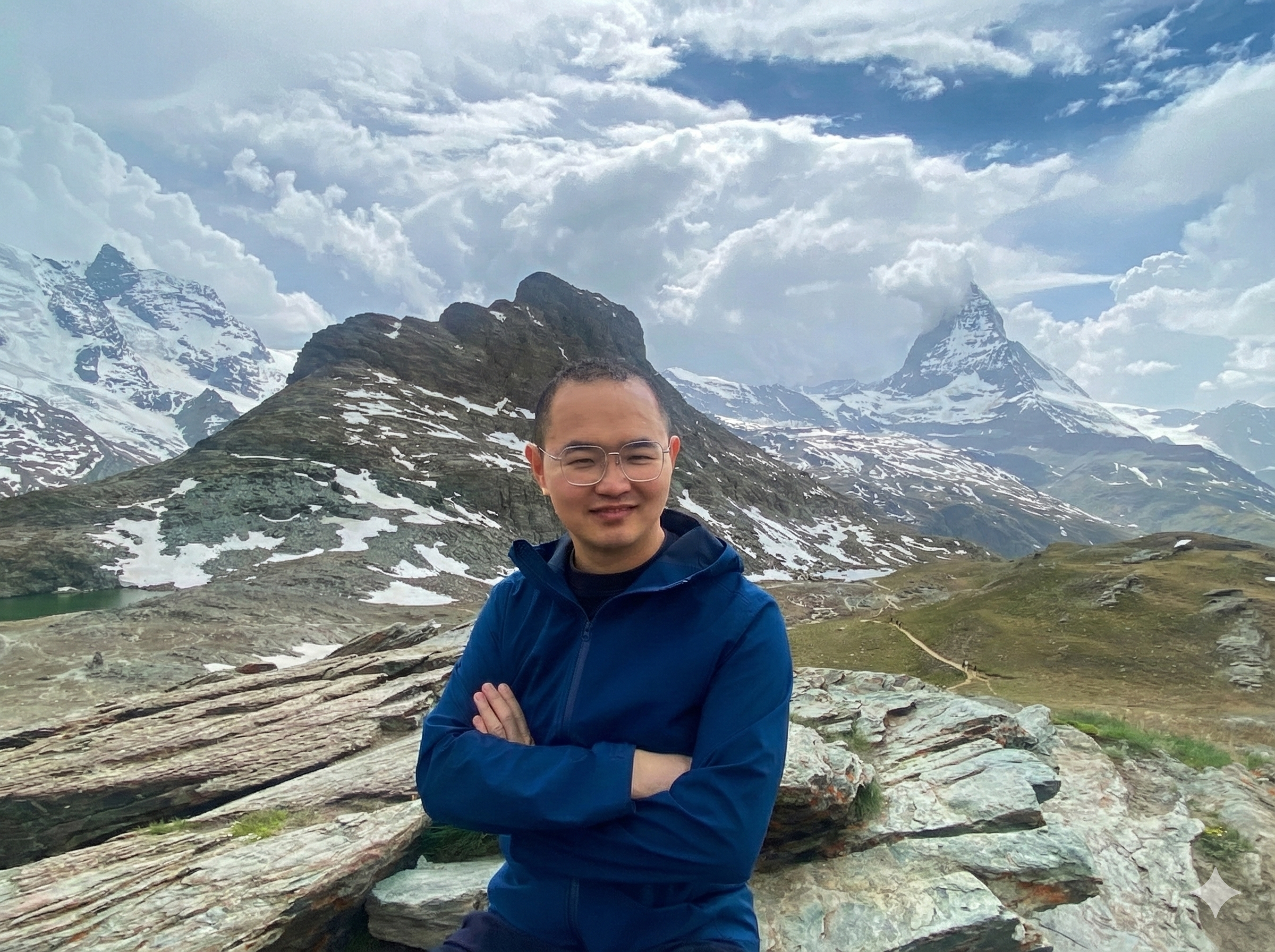
Bio
I am a postdoc in the Department of Economics, University of Cologne.
I am an applied microeconomist with research interests in economic history and political economy. I received my PhD from University of Zurich in 2025.
Contact
Email: guohuiwork.jiang@gmail.com
Twitter: @guohui_jiang
Working Papers
-
Fairness and Cooperation: Draft Dodging by the Rich and War Morale in World War II
Revise & Resubmit, Journal of Political Economy
[Abstract]This paper demonstrates that draft avoidance by the rich undermined war morale in the US during WWII. Using newly digitized individual-level draft records, I show that men whose richer neighbors received more draft exemptions volunteered less, filed more draft appeals, and deserted more. To identify the causal effect, I use an instrument based on randomly assigned draft lottery numbers. By randomly setting the sequence of case reviews, the lottery gave some men more time to prepare their case for an exemption. Heterogeneity analyses and evidence from local newspapers are consistent with a mechanism where individuals perceived the unequal, class-based sharing of the wartime burden as unfair.
Work in Progress
-
Time-Locked LLMs for Historical Reasoning
(with Dominik Loibner and Hans-Joachim Voth)
[Abstract]It's a time machine, isn't it? See more here.